Tech Trends 2025 has become a popular topic among Australian business owners. Many are keen to spot ways these ideas can shape their future. I’m Iain White, and I’ve spent years guiding clients through changing tech environments. My focus is people before technology, and that principle steers everything I do.
I’ve worn many hats in technology. Working as a CTO taught me that success flows from valuing the human side first. Tech is a powerful tool, but it must assist real people with real needs. That belief has stayed with me through consulting roles and agile coaching experiences.
Australian businesses are hungry for fresh ideas. They sense that progress in areas like artificial intelligence, IoT, and faster wireless connections can open doors. Yet many wonder how to prepare or where to start. A small local shop might wonder if AI adoption is relevant. A medium sized firm could ask how 5G might help them serve remote clients.
In my experience, a clear plan can prevent wasted time. By first asking who benefits and why, you can shape a roadmap that fits your market and your people. Then it’s a matter of picking the right systems and making sure they integrate well. I’ll share a few key trends on my mind.
I remember a chat with a small retail owner who wanted to embrace AI. She feared it would be too complicated. We began by looking at her primary shoppers and understanding how they interact with the store. That guided our plan. We introduced a basic AI driven chatbot on the website that could handle simple product queries. This freed up time for her staff to focus on deeper customer engagement.
This small step with AI adoption helped the shop owner see what is possible. She didn’t need a huge data science department. She just needed a targeted action that served actual shoppers. That reflects my ethos: start with people and let tech amplify their efforts.
Before we unpack more details, let’s frame what is happening in Australian tech at a wider level. Local companies feel increased competition in the Asia Pacific area. They see global players entering the market with advanced tools. They see customers who crave faster service, more personal experiences, and the convenience of doing business online.
I also notice many folks worry about data privacy. They want to keep their customers safe. They also want to adopt new technologies at a steady pace. The question is, how do you stay up-to-date without losing the human touch? That’s where I see thoughtful planning making all the difference.
Let’s look at some key areas I believe will matter in the coming years. My main picks include artificial intelligence, IoT implementation, 5G connectivity, cloud services, advanced data analytics, and blockchain. Each area promises big opportunities. But each also demands that you consider the people side first.

Artificial Intelligence in Action
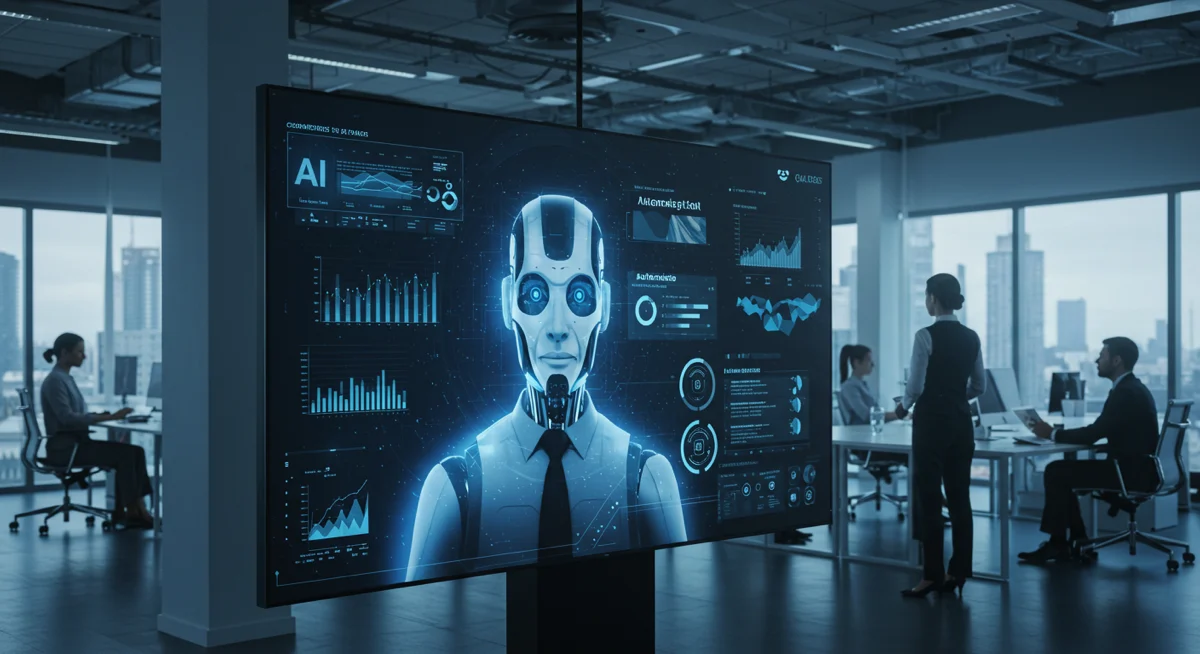
AI adoption is accelerating worldwide. Australian companies are seeing chatbots, machine learning models, and automated processes become mainstream. AI can refine customer interactions by providing instant replies to inquiries. It can also help with fraud detection or predictive maintenance in manufacturing. The possibilities are broad.
Yet I always urge leaders to start small. Ask yourself what problem you’re trying to solve. The best AI adoption strategies begin by identifying one or two tasks that can be automated. Perhaps it’s scanning invoices. Maybe it’s responding to common customer messages. Once you see early wins, you can grow from there.
I recall working with a medium sized logistic firm. They had a big backlog in processing freight invoices. Their staff spent hours each day double-checking paperwork. We introduced an AI driven tool that read invoices and flagged anomalies. It saved a few hours each week at first. Over time, the system adapted and caught more issues.
They didn’t jump in with a giant AI that replaced employees. They just started with a single pain point. That approach kept everyone onboard. Employees felt the tech was helping them, rather than threatening their roles. That’s an example of people before technology.
IoT Implementation for Real World Value
IoT implementation is another exciting area. Sensors and smart devices can track supply chains, monitor equipment, and gather usage data. This helps you predict breakdowns or optimize resources. But like AI, it’s best to avoid adding sensors just for the sake of novelty.
A friend in agriculture told me how IoT allowed him to track soil moisture across his farms. He started with a small pilot. Each sensor measured moisture levels and sent alerts to a central dashboard. That meant he only watered fields when needed. The result was a cut in water costs and better crop health.
That same concept can be applied to many industries. The key is to pinpoint a genuine need. If you run a transport company, you might track vehicle performance. If you manage a hotel, you might gather data about energy usage. Always keep the focus on how people benefit from the data.
5G Connectivity and Why It Matters
5G has arrived, and it’s more than just faster streaming. The new networks have lower latency, so devices can talk to each other in near real time. That means possibilities for remote surgeries, smart traffic systems, and advanced robotics. Yet for smaller businesses, the question is simpler: how can better speed and responsiveness help your day to day operations?
I think about a small creative agency in Sydney that struggled with large file transfers. Their design assets were huge. Uploading them took forever on older networks. When they moved to a 5G connection, those uploads happened in a flash. That gave them more time for real work, like brainstorming fresh designs.
5G can also boost IoT usage, since more devices can connect without lag. It opens up new concepts in retail, like interactive store displays that gather data and respond instantly. It also helps remote workers join video calls without stutters. The takeaway is that a strong connection can empower teams to be more flexible.
Of course, 5G coverage is still expanding. The best move is to see if it’s available in your area. Then weigh how faster speeds might improve your daily tasks. Even if you don’t jump in right away, keep an eye on providers’ rollouts. As coverage grows, you can explore ways to tap into it.

Cloud Adoption and Data Analytics
Cloud based platforms are now standard for many tasks. They help with flexible storage, easy collaboration, and on demand scaling. This can be a game-changer for small enterprises that lack giant IT budgets. You pay for what you use and spin up resources as you grow. That levels the playing field.
When I served as CTO at a growing startup, we moved our entire CRM to the cloud. That freed up local machines and reduced maintenance headaches. We also found it simpler to roll out updates. Instead of messing with local installs, we had a single central portal. That’s a huge advantage for distributed teams.
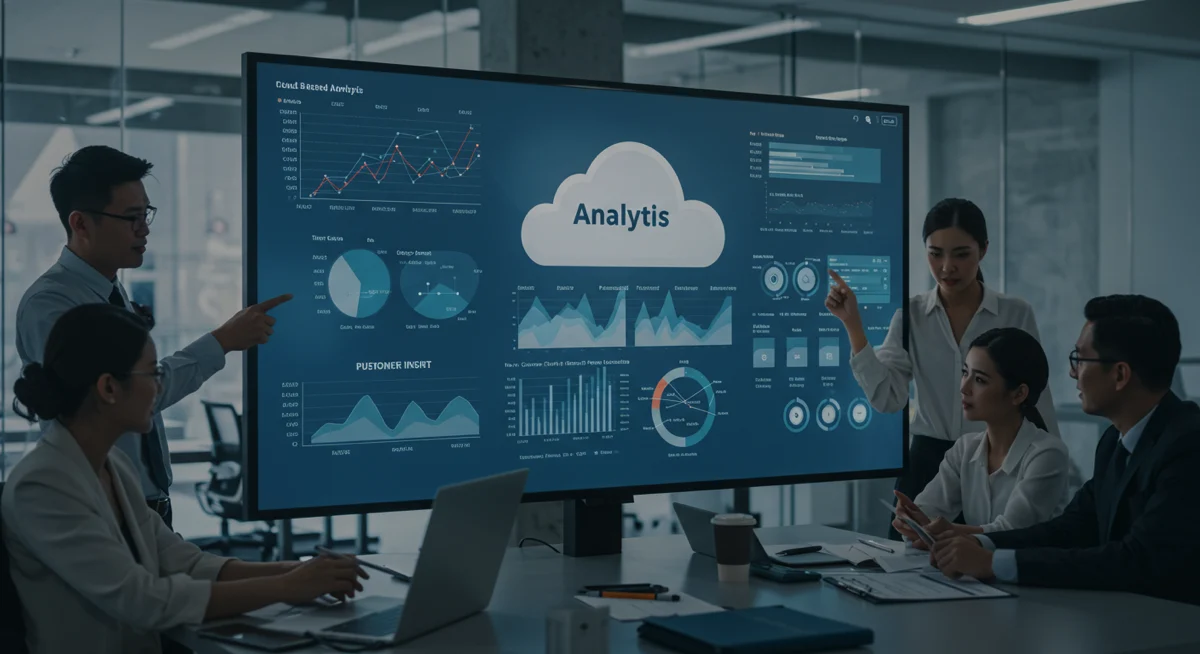
Data analytics also pairs well with cloud adoption. Large vendors offer analytics tools that crunch data right in the cloud. This means you don’t need a massive server cluster in your office. You can run reports on sales trends, marketing performance, or even staff scheduling patterns. The key is to pick metrics that matter to your goals.
Some caution is wise here. It’s easy to gather huge amounts of data and then do nothing with it. I’ve seen companies collect loads of user stats but never parse them in a meaningful way. The best approach is to define a question, gather data around it, and act on the insights. That’s how analytics turns into real gains.
Blockchain Beyond Hype
Blockchain was once viewed as a domain for cryptocurrency enthusiasts. These days, we see it powering secure transaction ledgers, product tracking, and even digital identity checks. While it may not apply to every business, it can offer trust and transparency in areas where many parties share data.
I worked with a supply chain partner who wanted to trace goods from origin to shelf. Each step was logged on a shared ledger, so no single group could tamper with it. That improved consumer confidence. It also helped them isolate issues if a product recall occurred, because they knew exactly which batch had problems.
For Australian businesses, the question is whether blockchain can address a real concern. It could streamline contract management, boost accountability in multi-partner deals, or offer ways to confirm product origins. The technology is still evolving, so caution is wise. But for the right use case, it can bring genuine value.
Quantum Computing on the Horizon
Quantum computing is a frontier that might feel distant, but it’s worth tracking. These machines use quantum bits (qubits) to process data in ways classical computers can’t. They could speed up complex simulations or advanced research. Right now, quantum computing is mostly in labs or specialised programs. But future developments may trickle down to mainstream businesses.
If you’re a small to mid-sized enterprise, direct quantum computing might not be on your immediate roadmap. Still, it’s smart to keep an ear out for breakthroughs. They could change cryptography, data security, and large-scale analytics. I recall a conference where experts spoke about quantum based encryption. It sounded like science fiction, but progress was happening faster than I expected.
My advice is to stay aware, but don’t pour resources into quantum just yet. Wait for more practical offerings from established vendors. In the meantime, strengthening your current data security stack is probably more pressing. That’s where a consultant can provide guidance on best practices.
Cybersecurity: A Constant Priority
As technology advances, criminals adapt too. Data breaches, ransomware, and phishing attempts are on the rise. Cybersecurity is no longer optional, even for smaller operations. A single breach can lead to lost revenue, fines, and repetitional damage. So it’s vital to protect your systems with strong passwords, firewalls, and regular backups.
I once helped a local business restore its data after a ransomware attack. They had minimal backups and had to rebuild much of their information from scratch. That was a wake-up call for them. Now they run scheduled backups, train staff on email scams, and keep software patched. It’s basic hygiene, yet it can stop many threats.
Australian regulations also require certain data protection standards. If you handle personal data, you must be mindful of privacy laws. Fines can be hefty if you neglect them. The cost of good cybersecurity is a fraction of what you’d lose if an attack succeeded. Consider it part of normal business maintenance.
People Before Technology: My Core View
I keep repeating this because I’ve seen what happens when tech is chosen without regard for the people who use it. Automated systems can cause confusion if staff aren’t trained. Shiny new platforms can go unused if they don’t address actual pain points. People can grow anxious if they feel replaced.
My approach is to start with conversation. Ask employees how a new process might help them. Ask customers what they want from your website or app. Then look for the technology that fulfils those needs. This is how you build lasting adoption. When your team feels heard, they embrace the changes.
I once rolled out a new communication tool for a team spread across multiple offices. We tested it with a few staff members first, gathering feedback on anything that felt confusing. We then adapted our rollout plan to address those concerns. That slowed things down a bit, but the payoff was a smooth transition.
That story highlights something vital. Technology alone won’t solve your business problems. But technology combined with an engaged workforce can move mountains. It’s like having the best guitar in the world, but no one who knows how to play it. You want both the instrument and the skill.
Partnering with a Tech Consultant
I’ve spent years as a tech consultant, guiding businesses through these shifts. The biggest value I bring is perspective. Because I’ve worked in various industries, I can see patterns and help spot risks. My job isn’t to push fancy gadgets. It’s to match the right tool to your exact goals.
Working with a consultant can also free you from guesswork. Instead of trying to research every new platform, you can rely on someone who keeps current with trends. A consultant will sit down, learn about your workflow, and identify what truly fits. That saves time, money, and headaches.
In many cases, the consultant’s role is to bridge gaps. They speak both tech and business. They can translate fancy jargon into plain talk. They can also talk to vendors on your behalf. That leaves you free to focus on running your enterprise.
I often ask new clients about their long range plans. Maybe they aim to expand into Asia or want to improve customer service. Once I see that vision, I can propose items that help them get there. It’s a two way dialogue. I find that’s the best route to mutual success.
Practical Tips for Embracing Emerging Technologies
Let’s break down a few practical steps you can try. These are based on my experience and might spark some ideas.
- Identify one clear goal: Pick a single challenge and explore a tech-based way to address it. For instance, if customers keep asking the same questions, consider a chatbot.
- Involve key team members early: Ask for their input. They’ll catch issues you might miss.
- Test on a small scale: Run a pilot project. Gather feedback from real users.
- Train and inform: Give your staff the knowledge they need. People will adopt new systems if they see the upside.
- Review progress often: Track metrics that matter and adapt based on what you learn.
That approach applies to AI adoption, IoT implementation, or any other move into advanced tech. Start simple, involve real people, and keep an eye on results. If you see value, scale up. If not, rethink your approach.
I remember a time when a local business owner wanted to leap straight into a full AI driven marketing suite. She had read an article claiming AI would revolutionise everything. We decided to begin with a smaller pilot. After a few weeks, she realised her staff needed more training before taking on advanced projects. That small experiment saved her from major expense and frustration.
Common Queries about Tech Trends 2025
Many business owners in Australia have similar worries about emerging technologies. Below are questions I hear often, along with straight answers that might help you weigh your options.
1) Q: I run a small local shop. Is AI adoption really relevant for me?
A: It can be if you pick the right application. For example, a simple chatbot can free you or your staff from repetitive inquiries. You don’t need a huge budget to try it out on a limited scale.
2) Q: I keep hearing about 5G. Will it help if I only have a few employees working remotely?
A: 5G isn’t just for massive companies. Faster speeds can aid file transfers and video calls. If remote work matters to you, 5G can reduce lag and increase productivity. See if coverage is solid in your area before switching.
3) Q: IoT implementation sounds complicated. Do I need a huge IT team to manage it?
A: Not always. Many IoT providers offer user-friendly dashboards. You can start with a single pilot project, such as tracking energy usage. If it helps and you see returns, you can expand step by step.
4) Q: How do I keep my data safe if I adopt these advanced tools?
A: Cybersecurity is key. Work with professionals who understand best practices. Use strong passwords, keep software updated, and train your staff to spot phishing attempts. Regular backups are also essential. Staying alert can save you from major headaches.
5) Q: Should I hire a tech consultant right away, or can I wing it on my own?
A: Some businesses start with their own research and do fine. A consultant can speed up the process and help you avoid pitfalls. They have industry wide insight and experience. Whether you hire one now or later, keep an open mind to getting expert guidance.
Real Examples from My Career
I’ve worked with a retail brand that sells organic foods. They wanted to add digital shelves using IoT sensors to track product quantities. Early prototypes failed because staff found them confusing. We discovered we hadn’t explained how these sensors linked to the store’s inventory system. Once we walked them through it, they embraced the idea.
In another case, a local manufacturing plant sought to adopt data analytics for quality control. They had mountains of production data but no strategy to interpret it. We ran a workshop with key managers. We identified a few critical metrics, such as defect rates and machine downtime. Then we set up dashboards that updated hourly. That simple step caught issues fast and saved them from wasted materials.
These examples show a pattern. Pick a clear target, involve the right stakeholders, and measure progress. Simple steps can lead to big improvements. The trick is to place humans at the centre of every design and deployment decision.
Staying Informed Without Overwhelm
Tech changes can feel relentless. New apps, new updates, new acronyms. It’s easy to get lost. My advice is to follow a few trusted sources rather than every hype cycle. Maybe track a respected tech news site or subscribe to a relevant newsletter. Attend a local seminar if you have time. Then filter what you learn through the lens of your business goals.
Don’t chase every fad. Focus on things that solve real problems. Keep an eye on trends like AI adoption, IoT implementation, and better connectivity. But don’t feel pressured to jump on each bandwagon. Sometimes the best move is to strengthen what you already have.
If you can, schedule short brainstorming sessions with your team. Ask them about current pain points. Ask if they see any fresh tech idea that could help. That bottom up feedback can be pure gold. It also tells staff their voices matter, which drives buy-in for future projects.
My Forecast for the Next Few Years
As we move toward 2025, I anticipate more automation in everyday operations. AI chatbots, robotic process automation, and predictive analytics will trickle down to small firms. 5G will expand in coverage, boosting remote work and real time data sharing. IoT sensors will get cheaper and simpler, letting even modest businesses adopt them.
Blockchain may solidify its presence in supply chains and contract management. Quantum computing might still be mostly in specialised use cases, but we’ll see glimpses of it affecting encryption standards. Meanwhile, cybersecurity threats will remain a major concern. That’s why ongoing vigilance is so vital.
Finally, I see the human side becoming more valued. Companies will realize that tech alone doesn’t make them winners. It’s the combination of people and tech that drives lasting growth. That means investing in training, clear processes, and a healthy culture where staff can adapt to change.
A Personal Perspective from Iain White
Over the years, I’ve been privileged to work with big enterprises and tiny startups. One thing stays the same: people want answers that move them forward. They don’t want fancy speeches about technology. They want real actions that boost revenue or cut downtime. That’s why I always start by asking about their customers and employees.
I once coached a software team that was stuck. They had tried an agile approach but found it too chaotic. We discovered they hadn’t set up clear roles or communication channels. After we simplified the structure, they found the agile approach much easier. Technology was never the main hurdle. It was the human side.
That’s my story in a nutshell: helping people harness technology in a way that fits their reality. I do it because I’ve seen how big an impact it can have on everyday operations. When done right, it’s not intimidating. It’s a tool that frees people from repetitive tasks and opens creative pathways.
I encourage you to keep an open mind about emerging technologies. At the same time, keep your people front and center. Ask your employees what’s working and what’s not. Ask your customers where they see gaps or frustrations. Then explore a tech approach that addresses those gaps. That’s real innovation.
As I see it, the future belongs to organizations that combine curiosity, empathy, and practical tech knowledge. People who can adapt will outlast any single device or software package. That’s a comforting thought if you’ve been worried about being left behind. Keep learning, keep experimenting, and keep people at the forefront.
Final Thoughts
I hope this overview has sparked some ideas. We covered AI adoption, IoT implementation, 5G, blockchain, quantum computing, and more. Each offers potential for Australian businesses seeking to grow. Yet the key message is: don’t adopt tech for tech’s sake. Start with a clear understanding of who you serve and what they need.
Feel free to connect with me, Iain White, if you want to chat about these trends. I enjoy hearing fresh perspectives and sharing experiences. My focus remains on people before technology. That’s how I help clients find success with emerging technologies.
For further reading, you can check resources like the Australian Cyber Security Centre for security tips. For AI details, the CSIRO’s Data61 is a respected local source. These can give you credible starting points if you want to explore these topics deeper.
Finally, remember that technology is here to help, not to overshadow human talents. If you keep that in mind, you’ll work through changes with more confidence. Thank you for reading and considering this advice.
Tech Trends 2025 remains a major focus for me, and I hope it inspires you to think ahead. Stay curious, keep your people in the spotlight, and you’ll be ready for Tech Trends 2025.